
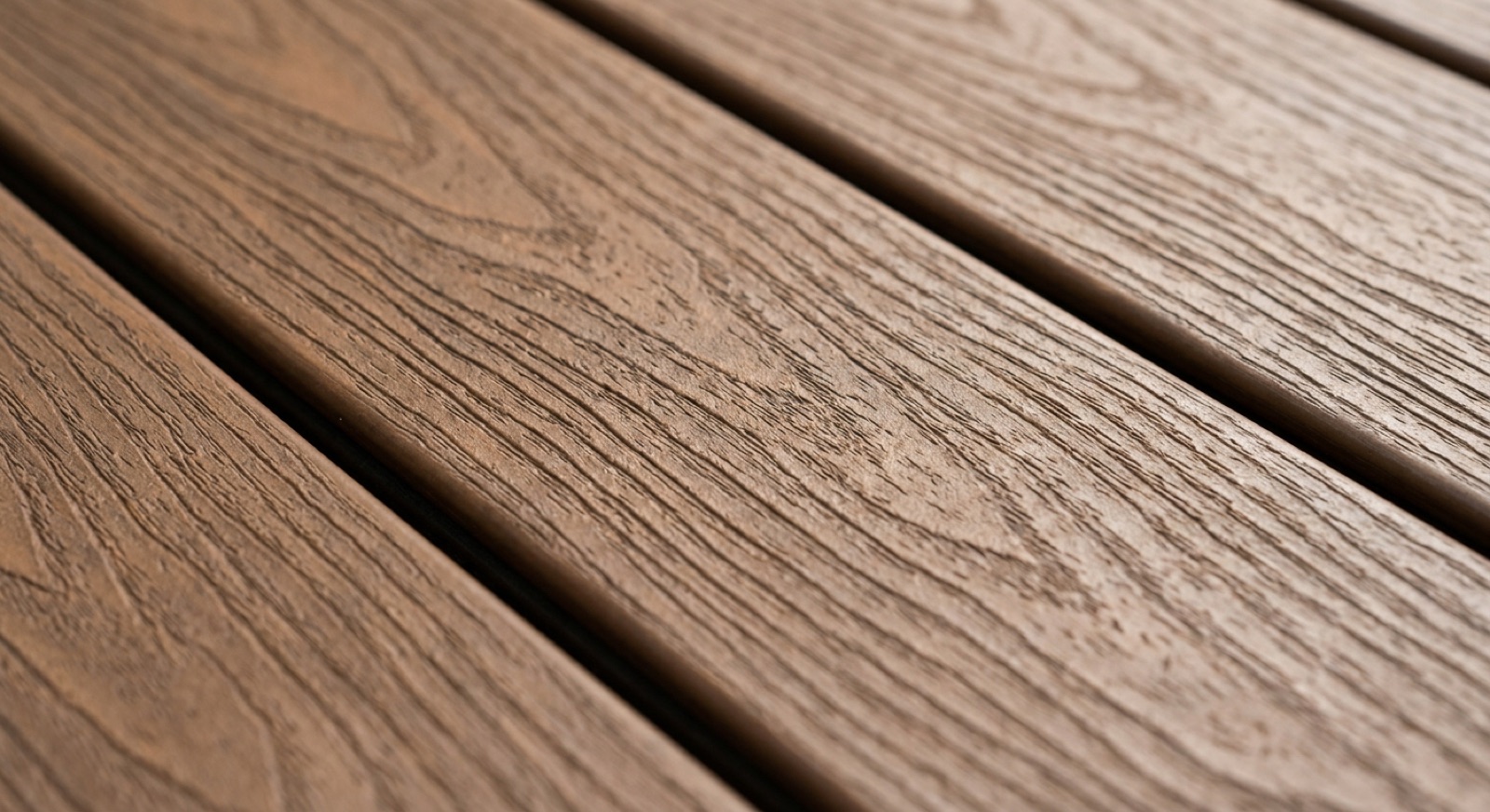
The Smart Choice for Rock Hill Homeowners
Composite decking has revolutionized outdoor living, and for good reason. Modern composite boards from brands like Trex and TimberTech deliver the warmth and beauty of natural wood without the annual cycle of sanding, staining, and sealing that traditional lumber demands. For homeowners in Rock Hill, Fort Mill, Tega Cay, and the surrounding York County area, composite decking is an especially smart investment because of our humid subtropical climate.
South Carolina summers bring intense UV exposure, regular rain, and high humidity. These conditions cause pressure-treated wood to warp, crack, and develop mold faster than in drier climates. Composite decking is engineered to resist all of these forces. The result is a deck that looks as good in year 15 as it did the day it was installed, with nothing more than an occasional soap-and-water rinse to keep it clean.
Trex Decking: America's Top Composite Brand
Trex invented composite decking over 25 years ago and remains the market leader. Made from 95% recycled materials including reclaimed wood fibers and recycled polyethylene, Trex boards are as environmentally responsible as they are durable. We install all three Trex product lines depending on your budget and design goals.
Trex Transcend is the premium line, featuring deep wood-grain patterns and the richest color palette. It includes a 25-year fade and stain warranty and is the best choice for homeowners who want their composite deck to be virtually indistinguishable from exotic hardwood. Trex Enhance offers a similar cap stock at a mid-range price point, while Trex Select provides a clean, refined look at a more accessible budget.
All Trex products feature their proprietary shell protection, which wraps each board in a durable polymer cap that resists scratching, fading, staining, and mold. This cap is what makes composite decking so much more resilient than first-generation wood-plastic composites from the early 2000s.
TimberTech: Premium Performance and Style
TimberTech by AZEK offers two product categories: their Advanced PVC line and their Composite line. The PVC boards contain zero wood fiber, making them completely impervious to moisture, mold, and insects. This is the ultimate choice for pool decks, lakeside properties, and any application where moisture exposure is constant.
TimberTech's composite line uses a similar wood-polymer blend to Trex but with their own proprietary cap technology. Both brands produce exceptional products, and the right choice often comes down to specific color preferences and whether full PVC construction is warranted for your application. We'll walk you through samples and help you choose the best fit during your free consultation.
Why Composite Pays for Itself
The most common question we hear is whether composite is worth the higher upfront cost. The short answer is yes, and the math proves it. A pressure-treated wood deck needs to be power washed, re-stained, and sealed every 1 to 2 years at a cost of $500 to $1,500 per treatment. Over a 20-year period, those maintenance costs add up to $5,000 to $15,000 or more, not including board replacements for warped or rotted lumber.
A composite deck needs none of that. The only maintenance is occasional cleaning with a hose or soft brush. When you factor in time savings, maintenance costs, and the longer lifespan, composite decking typically breaks even with wood in 7 to 10 years and saves money every year after that. It also adds more resale value to your home because buyers recognize the appeal of a maintenance-free outdoor space.
Our Composite Installation Process
Proper installation is critical for composite decking performance. Unlike wood, composite boards have specific requirements for joist spacing, fastener type, gapping, and ventilation. We follow every manufacturer specification to the letter, which is essential for maintaining warranty coverage.
We use hidden fastener systems on all composite installations for a clean, screw-free surface. The substructure is built with pressure-treated lumber rated for ground contact, and we include proper flashing at the ledger board connection to prevent water intrusion at your home's wall. Every detail matters, and cutting corners on installation is the fastest way to void a composite deck warranty.
Frequently Asked Questions
Composite decks in Rock Hill typically last 25 to 50 years with virtually no maintenance. Modern composite materials from brands like Trex and TimberTech are engineered to withstand South Carolina's heat, humidity, and UV exposure without fading, warping, or rotting.
Both are premium composite decking brands. Trex uses a wood-plastic composite with recycled materials and offers their Transcend, Enhance, and Select lines. TimberTech uses a PVC or composite core with a polymer cap and tends to offer slightly more color options. Both carry 25-year fade and stain warranties.
Composite decking costs more upfront, typically $40 to $75 per square foot installed versus $25 to $40 for pressure-treated wood. However, composite eliminates annual staining, sealing, and repair costs. Over 10 years, composite often costs less than wood when maintenance is factored in.
Composite decks can get warm in direct summer sun, similar to any outdoor surface. Lighter colors absorb less heat. Many newer composite lines include heat-reduction technology. We can also design shade structures like pergolas to keep your deck comfortable during Rock Hill's hottest months.
In many cases, yes. If your existing deck frame and joists are structurally sound, we can remove the old decking boards and install composite on top. This is often called deck resurfacing and can save 30-40% compared to a full rebuild. We inspect the substructure thoroughly before recommending this approach.